
The term prescription weight loss injections refers to injectable medications that are prescribed by a qualified medical provider to support weight reduction in individuals who meet specified medical criteria (such as a high body mass index [BMI], or weight-related health conditions). These injections differ from over-the-counter supplements or cosmetic “fat jabs” in that they are regulated, require a prescription, and are used for clinically indicated weight management.
Many of the medications used fall into the class called GLP-1 receptor agonists (or related hormones) which are designed to affect appetite, digestion, metabolism, and in some cases insulin/glucose regulation.
Why injections rather than pills?
Injectable medications have several advantages in this context:
- They often ensure more consistent absorption compared to oral forms (especially for large molecules)
- They may bypass certain digestive/metabolic degradation steps
- They can be dosed in a way that supports weekly or periodic administration, which may improve compliance in clinical settings
However, injections also require training, cost considerations, storage/handling, and medical oversight.
The online dimension
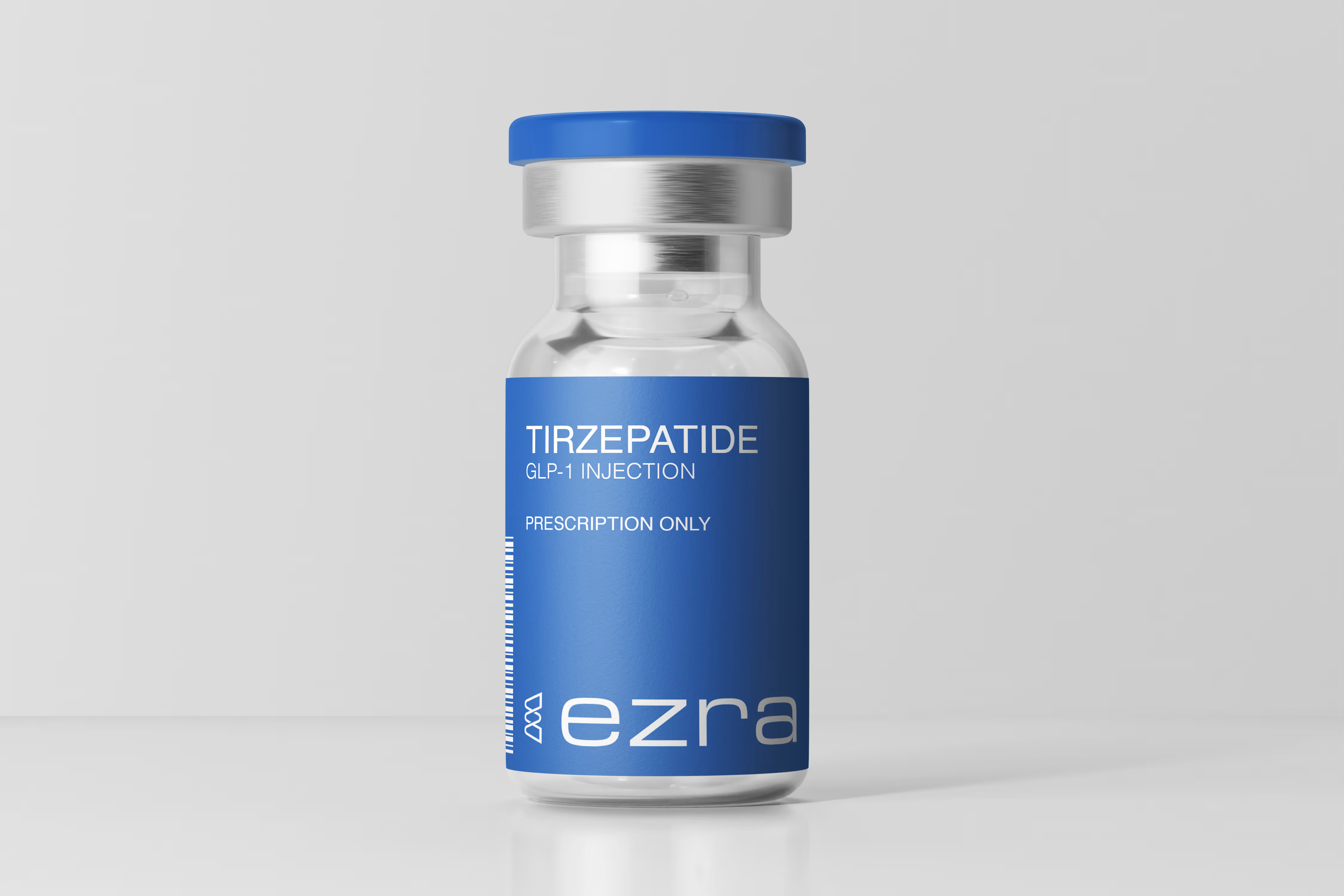
Increasingly, providers offer online prescription weight loss injections—meaning that the consultation, prescribing, shipping or delivery may be managed remotely rather than entirely in-person. For example, the company Ezra promotes its monthly weight-loss programs using medications such as Semaglutide, Tirzepatide, and Ozempic, by way of remote medical review and home shipment.
When using the internet channel, it becomes even more critical to verify medical oversight, regulatory status and service quality.
How These Medications Work: Mechanisms of Action
Understanding the physiology
To understand prescription weight loss injections you should review how they influence body systems:
Appetite regulation: Many of these drugs mimic or enhance hormones (for example GLP-1) that signal fullness or reduce hunger. In the brain and gut, these signals help reduce caloric intake.
Gastric emptying and digestion: Some slow down the rate food leaves the stomach, thereby increasing satiety and reducing overall food intake.
Metabolic effects: Beyond appetite, weight‐loss injections may affect insulin sensitivity, fat storage, energy use and cardiovascular risk factors. For example, the heart and circulation benefits of GLP-1 agonists have been studied.
Long-term body weight set-point and adipose tissue function: Some medications may interface with the body’s “weight homeostasis” mechanisms, though the full science is still evolving.
Examples of medications
Key medications commonly used in the injection category include:
- Semaglutide (e.g., brand name Wegovy or Ozempic) — injection weekly in most weight‐loss protocols.
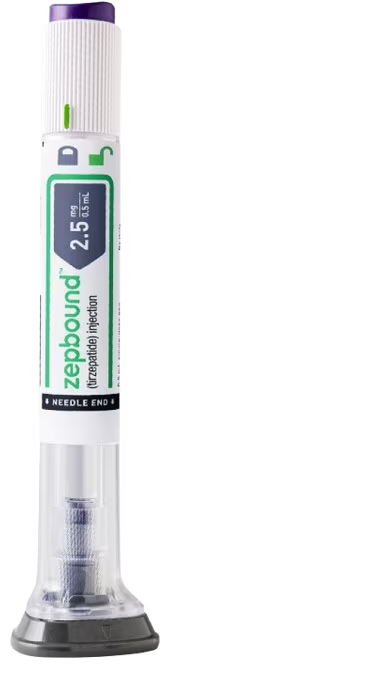
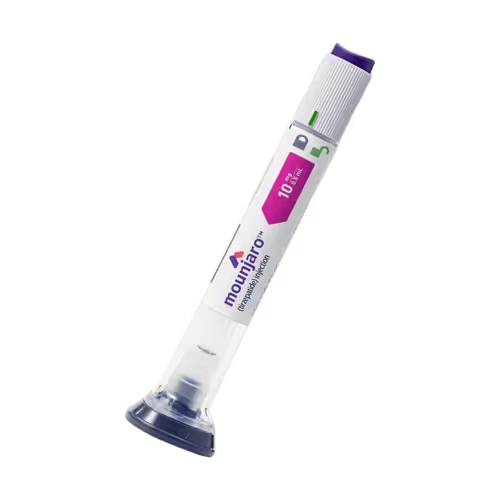
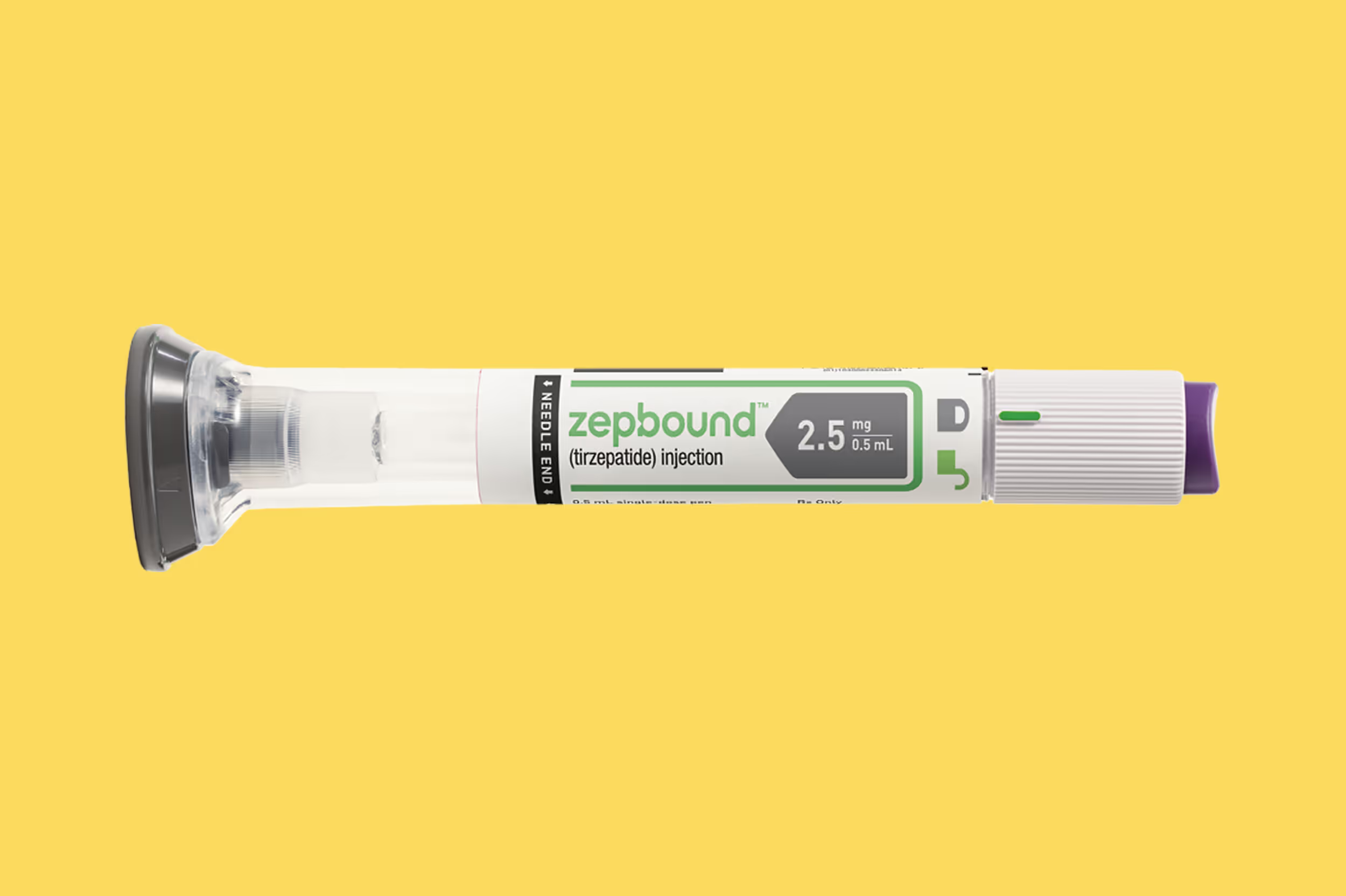
- Tirzepatide (brand names Zepbound, Mounjaro) — dual hormone receptor agonist which in trials has produced larger average weight loss than earlier medications.
- Liraglutide (brand name Saxenda) — an older GLP-1 injection for weight management, once-daily dosing in many cases.
Realistic biological expectations
It’s critical to hold realistic expectations. While dramatic weight loss is possible, these treatments are not magic bullets. They work best when combined with dietary modifications, physical activity, behavioural changes and long-term medical monitoring.
What the Evidence Says: Efficacy and Research
Measurable outcomes
Clinical trials and real‐world data provide insight:
- In a landmark trial, semaglutide given once weekly resulted in a mean change in body weight of -14.9% compared to -2.4% for placebo over 68 weeks.
- In a real‐world cohort of 175 patients using semaglutide weekly, mean weight loss was 5.9% at 3 months, and 10.9% at 6 months.
- For liraglutide 3.0 mg over 56 weeks, mean weight loss was 6.0% and proportion of patients losing 10% or more was 25.2%.
- On the broader front, up-to-date reviews say that weight-loss injections may also improve risk factors for cardiovascular disease, liver disease and other complications in some populations.
Approved indications
According to the U.S. National Institute of Diabetes and Digestive and Kidney Diseases (NIDDK), prescription medications used for long‐term weight management must meet certain criteria (BMI, weight-related condition) and they include injections among their forms.
Important evidence caveats
Many trials are in adults who are obese (BMI ≥30) or overweight with comorbidities; less data in “healthy” overweight individuals without conditions.
Long-term outcomes (beyond a few years) are still emerging; weight regain after cessation is possible.
The context of “injections + lifestyle” is essential—drugs alone do not replicate the full effect of combined treatment. For example research emphasises: “these drugs are highly effective for weight management … but they are not a universal cure‐all.”
Real‐world cost effectiveness and long-term sustainability (especially at scale) remain under study. For instance, one study found bariatric surgery remains more cost effective than newer medications alone.
Who Are Prescription Weight Loss Injections For—and Who Should Avoid?
Candidate profiles
You may be a candidate for prescription weight loss injections if:
You have a BMI of 30 kg/m² or more (obesity), or a BMI of 27 kg/m² or more with weight‐related health conditions (like high blood pressure, type 2 diabetes, sleep apnea).
You have experienced limited success with diet, exercise and other lifestyle interventions alone.
You are under the supervision of a qualified healthcare provider who can assess, prescribe and monitor therapy.
You are willing and able to commit to follow‐up, monitoring, injection regimen, and accompanying lifestyle changes.
Who should not use them (or use with caution)
Individuals who are currently pregnant or planning to become pregnant (many medications are contraindicated).
People with certain medical conditions (for example certain endocrine disorders, pancreatitis history, certain gastrointestinal conditions)—these need thorough evaluation.
People expecting injections to replace healthy lifestyle changes entirely; this misalignment often leads to disappointment.
Individuals obtaining injections via unsupervised, non‐medical or unregulated online sources.
People who cannot commit to regular follow‐up or monitoring.
Online service caution
When the offering is an online prescription weight loss injection service (remote prescribing, home shipping), it is especially important to verify:
Qualified medical oversight with full consultation
Legitimate prescribing process
Clear information on eligibility, risks, follow-up testing
Transparent pricing and delivery
For example, Ezra’s site claims to offer monthly plans for medications including Semaglutide, Mounjaro and Ozempic via an online process.
However, remote services must still comply with local prescribing regulations and patient safety standards. Recent regulatory action in the UK shows increased oversight of online pharmacies marketing weight loss injections.
Benefits and Limitations: Balanced View
Key benefits
Significant weight loss: as shown in trials, many individuals achieve 10-15% body‐weight reduction or more over one year with proper regimen.
Improvement in metabolic risk factors: some data suggest improved blood sugar control, lower cardiovascular risk, improved liver outcomes.
Weekly (or periodic) injection regimens may be easier for some patients than daily medications.
For many, these injections can reduce hunger, help break down long‐standing weight plateau, and provide renewed impetus for weight management.
Important limitations
Cost: These medications and related services can be expensive and may not be covered by insurance in many cases.
Maintenance: Stopping treatment often leads to weight regain; weight management is often chronic.
Side‐effects and safety risks: While generally well tolerated, gastrointestinal issues, gallbladder problems, pancreatitis risk, injection site effects and other adverse events have been reported.
Not a standalone solution: Without accompanying lifestyle change (diet, exercise, behaviour) the efficacy will likely be lower.
Regulated prescribing required: Some online offers may bypass optimal medical oversight, increasing risk of suboptimal outcomes or safety complications.
Evaluating Online Services Offering Prescription Weight Loss Injections
When you come across an online provider of prescription weight loss injections, apply a rigorous vetting process.
Checklist to evaluate service
Medical consultation process: Is there a comprehensive questionnaire, lab testing requirement, medication review and physician oversight?
Prescription legitimacy: Is the medication legally prescribed for your jurisdiction? Are the drugs approved for weight management (or used off-label under supervision)?
Delivery & storage: Are the injections shipped under appropriate conditions (cold‐chain where required), with proper syringes, instructions and logistic transparency? For
example, the Ezra site says “free expedited shipping” and includes syringes, dose guide and alcohol pads.
Support and follow-up: Does the service include ongoing monitoring, virtual check-ins, lab testing, side-effect reporting, lifestyle guidance?
Pricing clarity: Are costs spelled out clearly (medication, shipping, follow-up)? Are there additional fees?
Regulatory and safety transparency: Are risks, contraindications, long-term maintenance issues clearly communicated? Are marketing claims realistic (i.e., “average weight loss up to 15%” rather than “you will lose all your weight quickly”)?
Credentials and reviews: Are the providers (physicians, pharmacists) clearly identified and licensed? Are there verified user reviews?
Exit strategy and long‐term planning: Does the service address what happens after the initial injection period—maintenance, lifestyle integration, cost after initial phase?
Red flags to watch
Promises of extremely rapid weight loss without mention of medical oversight or lifestyle changes
Lack of physician or pharmacist contact details
Unclear or minimal follow‐up plan
Hidden costs or ambiguous pricing
Marketing emphasising only “injection pen” imagery, “fat jab”, “get slim fast” without medical context
Suppliers located in jurisdictions with weak regulation or using compounding pharmacies without oversight (which may raise safety concerns)
Cost, Logistics and Practical Implementation
Cost considerations
Prescription weight loss injections can entail the following cost components:
Medication cost: Weekly or monthly injection doses vary based on brand, dose and region.
Remote service or telehealth consultation fee (initial and ongoing)
Shipping and special handling (especially for refrigerated injections)
Laboratory testing and monitoring (baseline and periodic)
Lifestyle support (dietician/coach) if part of the program
Some medications are not covered by insurance for weight loss indication, which increases out-of‐pocket cost.
Logistics of injections
Administration: Some injections can be self-administered (subcutaneous) after proper training; others may require clinic visits depending on the service. The provider should give clear instructions on injection site (abdomen, thigh, upper arm), technique, disposal of sharps, etc.
Storage and handling: Many injectable medications must be kept refrigerated until use, protected from light, and used within a specified timeframe after puncture.
Schedule and dosing: Some programs begin with a lower dose and titrate upward based on tolerance; weekly injections are common for GLP-1 agonists.
Monitoring: Baseline labs (kidney, liver, glucose, lipids) and periodic follow‐up to assess response and rule out adverse effects.
Integration with lifestyle
Even with injections, your long‐term success depends on lifestyle integration:
Healthy dietary patterns (emphasis on nutrient-dense foods, portion control)
Regular physical activity (aerobic + resistance)
Behavioural changes (stress control, sleep quality, mindful eating)
Realistic goal-setting and long‐term mindset shift
The injection is a medical adjunct—not a replacement for the fundamentals of weight management.
Risks and Safety Considerations
Common side effects
Nausea, vomiting, constipation, diarrhoea – especially during dose escalation phases.
Injection site reactions (redness, swelling)
Gallbladder issues: some when weight falls rapidly. For example, the liraglutide review noted increased gall‐bladder related adverse events.
Hypoglycemia if used with other glucose-lowering medications, particularly in diabetic individuals.
More serious risks and emerging data
The UK’s Advertising Standards Authority (ASA) noted concerns regarding online promotion of weight loss injections and the potential for unsupervised, illegal dispensing.
Some studies suggest an increased risk of pancreatitis in users of GLP-1 agonists.
Long-term safety monitoring continues to evolve; the full implications of sustained use of potent weight loss injections in broadly healthy populations are still under investigation.
Legal, regulatory and ethical issues
In many jurisdictions, advertising prescription‐only medications directly to consumers is heavily regulated; some online services may be operating in grey zones.
Using injections without adequate medical supervision (for example, unverified compounding pharmacies) poses safety and legal risk.
Ethical considerations: the framing of weight loss injections as cosmetic quick fixes rather than medical treatments may mislead consumers and increase risk of misuse.
How to mitigate risk
Choose a service with qualified prescribers, clear medical oversight, documented monitoring and credible credentialing.
Ask for full disclosure of known side‐effects, contraindications, cost implications, what happens when treatment ends.
Be vigilant for signs of side‐effects and communicate with your medical provider promptly.
Maintain baseline and follow-up lab tests as directed.
Consider lifestyle, psychological and behavioural support as integral to your plan.
Conclusion: Making an Informed Choice
To navigate the field of prescription weight loss injections with confidence:
Recognise they are medical treatments, not cosmetic shortcuts.
Review scientific evidence: many produce meaningful weight loss when combined with lifestyle change, but they are not cures.
Rigorously evaluate online services: look for medical oversight, transparent protocols, cost clarity, and realistic claims.
Understand your eligibility, responsibilities (follow-up, monitoring, lifestyle changes) and possible risks.
Approach treatment with a long-term mindset: weight management is a journey that requires ongoing commitment beyond the injection.
If you’re considering an injection program, meet with a qualified healthcare provider, discuss your goals, obtain baseline labs, understand the cost and follow-through plan, and
choose a service that places patient safety and medical rigour at the centre.
The term prescription weight loss injections refers to injectable medications that are prescribed by a qualified medical provider to support weight reduction in individuals who meet specified medical criteria (such as a high body mass index [BMI], or weight-related health conditions). These injections differ from over-the-counter supplements or cosmetic “fat jabs” in that they are regulated, require a prescription, and are used for clinically indicated weight management.
Many of the medications used fall into the class called GLP-1 receptor agonists (or related hormones) which are designed to affect appetite, digestion, metabolism, and in some cases insulin/glucose regulation.
Why injections rather than pills?
Injectable medications have several advantages in this context:
They often ensure more consistent absorption compared to oral forms (especially for large molecules)
They may bypass certain digestive/metabolic degradation steps
They can be dosed in a way that supports weekly or periodic administration, which may improve compliance in clinical settings
However, injections also require training, cost considerations, storage/handling, and medical oversight.
The online dimension
Increasingly, providers offer online prescription weight loss injections—meaning that the consultation, prescribing, shipping or delivery may be managed remotely rather than entirely in-person. For example, the company Ezra promotes its monthly weight-loss programs using medications such as Semaglutide, Tirzepatide, and Ozempic, by way of remote medical review and home shipment.
When using the internet channel, it becomes even more critical to verify medical oversight, regulatory status and service quality.
How These Medications Work: Mechanisms of Action
Understanding the physiology
To understand prescription weight loss injections you should review how they influence body systems:
Appetite regulation: Many of these drugs mimic or enhance hormones (for example GLP-1) that signal fullness or reduce hunger. In the brain and gut, these signals help reduce caloric intake.
Gastric emptying and digestion: Some slow down the rate food leaves the stomach, thereby increasing satiety and reducing overall food intake.
Metabolic effects: Beyond appetite, weight‐loss injections may affect insulin sensitivity, fat storage, energy use and cardiovascular risk factors. For example, the heart and circulation benefits of GLP-1 agonists have been studied.
Long-term body weight set-point and adipose tissue function: Some medications may interface with the body’s “weight homeostasis” mechanisms, though the full science is still evolving.
Examples of medications
Key medications commonly used in the injection category include:
Semaglutide (e.g., brand name Wegovy or Ozempic) — injection weekly in most weight‐loss protocols.
Tirzepatide (brand names Zepbound, Mounjaro) — dual hormone receptor agonist which in trials has produced larger average weight loss than earlier medications.
Liraglutide (brand name Saxenda) — an older GLP-1 injection for weight management, once-daily dosing in many cases.
Realistic biological expectations
It’s critical to hold realistic expectations. While dramatic weight loss is possible, these treatments are not magic bullets. They work best when combined with dietary modifications, physical activity, behavioural changes and long-term medical monitoring.
What the Evidence Says: Efficacy and Research
Measurable outcomes
Clinical trials and real‐world data provide insight:
In a landmark trial, semaglutide given once weekly resulted in a mean change in body weight of -14.9% compared to -2.4% for placebo over 68 weeks.
In a real‐world cohort of 175 patients using semaglutide weekly, mean weight loss was 5.9% at 3 months, and 10.9% at 6 months.
For liraglutide 3.0 mg over 56 weeks, mean weight loss was 6.0% and proportion of patients losing 10% or more was 25.2%.
On the broader front, up-to-date reviews say that weight-loss injections may also improve risk factors for cardiovascular disease, liver disease and other complications in some populations.
Approved indications
According to the U.S. National Institute of Diabetes and Digestive and Kidney Diseases (NIDDK), prescription medications used for long‐term weight management must meet certain criteria (BMI, weight-related condition) and they include injections among their forms.
Important evidence caveats
Many trials are in adults who are obese (BMI ≥30) or overweight with comorbidities; less data in “healthy” overweight individuals without conditions.
Long-term outcomes (beyond a few years) are still emerging; weight regain after cessation is possible.
The context of “injections + lifestyle” is essential—drugs alone do not replicate the full effect of combined treatment. For example research emphasises: “these drugs are highly effective for weight management … but they are not a universal cure‐all.”
Real‐world cost effectiveness and long-term sustainability (especially at scale) remain under study. For instance, one study found bariatric surgery remains more cost effective than newer medications alone.
Who Are Prescription Weight Loss Injections For—and Who Should Avoid?
Candidate profiles
You may be a candidate for prescription weight loss injections if:
You have a BMI of 30 kg/m² or more (obesity), or a BMI of 27 kg/m² or more with weight‐related health conditions (like high blood pressure, type 2 diabetes, sleep apnea).
You have experienced limited success with diet, exercise and other lifestyle interventions alone.
You are under the supervision of a qualified healthcare provider who can assess, prescribe and monitor therapy.
You are willing and able to commit to follow‐up, monitoring, injection regimen, and accompanying lifestyle changes.
Who should not use them (or use with caution)
Individuals who are currently pregnant or planning to become pregnant (many medications are contraindicated).
People with certain medical conditions (for example certain endocrine disorders, pancreatitis history, certain gastrointestinal conditions)—these need thorough evaluation.
People expect injections to replace healthy lifestyle changes entirely; this misalignment often leads to disappointment.
Individuals obtaining injections via unsupervised, non‐medical or unregulated online sources.
People who cannot commit to regular follow‐up or monitoring.
Online service caution
When the offering is an online prescription weight loss injection service (remote prescribing, home shipping), it is especially important to verify:
Qualified medical oversight with full consultation
Legitimate prescribing process
Clear information on eligibility, risks, follow-up testing
Transparent pricing and delivery
For example, Ezra’s site claims to offer monthly plans for medications including Semaglutide, Mounjaro and Ozempic via an online process.
However, remote services must still comply with local prescribing regulations and patient safety standards. Recent regulatory action in the UK shows increased oversight of online pharmacies marketing weight loss injections.
Benefits and Limitations: Balanced View
Key benefits
Significant weight loss: as shown in trials, many individuals achieve 10-15% body‐weight reduction or more over one year with proper regimen.
Improvement in metabolic risk factors: some data suggest improved blood sugar control, lower cardiovascular risk, improved liver outcomes.
Weekly (or periodic) injection regimens may be easier for some patients than daily medications.
For many, these injections can reduce hunger, help break down long‐standing weight plateau, and provide renewed impetus for weight management.
Important limitations
Cost: These medications and related services can be expensive and may not be covered by insurance in many cases.
Maintenance: Stopping treatment often leads to weight regain; weight management is often chronic.
Side‐effects and safety risks: While generally well tolerated, gastrointestinal issues, gallbladder problems, pancreatitis risk, injection site effects and other adverse events have been reported.
Not a standalone solution: Without accompanying lifestyle change (diet, exercise, behaviour) the efficacy will likely be lower.
Regulated prescribing required: Some online offers may bypass optimal medical oversight, increasing risk of suboptimal outcomes or safety complications.
Evaluating Online Services Offering Prescription Weight Loss Injections
When you come across an online provider of prescription weight loss injections, apply a rigorous vetting process.
Checklist to evaluate service
Medical consultation process: Is there a comprehensive questionnaire, lab testing requirement, medication review and physician oversight?
Prescription legitimacy: Is the medication legally prescribed for your jurisdiction? Are the drugs approved for weight management (or used off-label under supervision)?
Delivery & storage: Are the injections shipped under appropriate conditions (cold‐chain where required), with proper syringes, instructions and logistic transparency? For example, the Ezra site says “free expedited shipping” and includes syringes, dose guide and alcohol pads.
Support and follow-up: Does the service include ongoing monitoring, virtual check-ins, lab testing, side-effect reporting, lifestyle guidance?
Pricing clarity: Are costs spelled out clearly (medication, shipping, follow-up)? Are there additional fees?
Regulatory and safety transparency: Are risks, contraindications, long-term maintenance issues clearly communicated? Are marketing claims realistic (i.e., “average weight loss up to 15%” rather than “you will lose all your weight quickly”)?
Credentials and reviews: Are the providers (physicians, pharmacists) clearly identified and licensed? Are there verified user reviews?
Exit strategy and long‐term planning: Does the service address what happens after the initial injection period—maintenance, lifestyle integration, cost after initial phase?
Red flags to watch
Promises of extremely rapid weight loss without mention of medical oversight or lifestyle changes
Lack of physician or pharmacist contact details
Unclear or minimal follow‐up plan
Hidden costs or ambiguous pricing
Marketing emphasising only “injection pen” imagery, “fat jab”, “get slim fast” without medical context
Suppliers located in jurisdictions with weak regulation or using compounding pharmacies without oversight (which may raise safety concerns)
Cost, Logistics and Practical Implementation
Cost considerations
Prescription weight loss injections can entail the following cost components:
Medication cost: Weekly or monthly injection doses vary based on brand, dose and region.
Remote service or telehealth consultation fee (initial and ongoing)
Shipping and special handling (especially for refrigerated injections)
Laboratory testing and monitoring (baseline and periodic)
Lifestyle support (dietician/coach) if part of the program
Some medications are not covered by insurance for weight loss indication, which increases out-of‐pocket cost.
Logistics of injections
Administration: Some injections can be self-administered (subcutaneous) after proper training; others may require clinic visits depending on the service. The provider should give clear instructions on injection site (abdomen, thigh, upper arm), technique, disposal of sharps, etc.
Storage and handling: Many injectable medications must be kept refrigerated until use, protected from light, and used within a specified timeframe after puncture.
Schedule and dosing: Some programs begin with a lower dose and titrate upward based on tolerance; weekly injections are common for GLP-1 agonists.
Monitoring: Baseline labs (kidney, liver, glucose, lipids) and periodic follow‐up to assess response and rule out adverse effects.
Integration with lifestyle
Even with injections, your long‐term success depends on lifestyle integration:
Healthy dietary patterns (emphasis on nutrient-dense foods, portion control)
Regular physical activity (aerobic + resistance)
Behavioural changes (stress control, sleep quality, mindful eating)
Realistic goal-setting and long‐term mindset shift
The injection is a medical adjunct—not a replacement for the fundamentals of weight management.
Risks and Safety Considerations
Common side effects
Nausea, vomiting, constipation, diarrhoea – especially during dose escalation phases.
Injection site reactions (redness, swelling)
Gallbladder issues: some when weight falls rapidly. For example, the liraglutide review noted increased gall‐bladder related adverse events.
Hypoglycemia if used with other glucose-lowering medications, particularly in diabetic individuals.
More serious risks and emerging data
The UK’s Advertising Standards Authority (ASA) noted concerns regarding online promotion of weight loss injections and the potential for unsupervised, illegal dispensing.
Some studies suggest an increased risk of pancreatitis in users of GLP-1 agonists.
Long-term safety monitoring continues to evolve; the full implications of sustained use of potent weight loss injections in broadly healthy populations are still under investigation.
Legal, regulatory and ethical issues
In many jurisdictions, advertising prescription‐only medications directly to consumers is heavily regulated; some online services may be operating in grey zones.
Using injections without adequate medical supervision (for example, unverified compounding pharmacies) poses safety and legal risk.
Ethical considerations: the framing of weight loss injections as cosmetic quick fixes rather than medical treatments may mislead consumers and increase risk of misuse.
How to mitigate risk
Choose a service with qualified prescribers, clear medical oversight, documented monitoring and credible credentialing.
Ask for full disclosure of known side‐effects, contraindications, cost implications, what happens when treatment ends.
Be vigilant for signs of side‐effects and communicate with your medical provider promptly.
Maintain baseline and follow-up lab tests as directed.
Consider lifestyle, psychological and behavioural support as integral to your plan.
Conclusion: Making an Informed Choice
To navigate the field of prescription weight loss injections with confidence:
Recognise they are medical treatments, not cosmetic shortcuts.
Review scientific evidence: many produce meaningful weight loss when combined with lifestyle change, but they are not cures.
Rigorously evaluate online services: look for medical oversight, transparent protocols, cost clarity, and realistic claims.
Understand your eligibility, responsibilities (follow-up, monitoring, lifestyle changes) and possible risks.
Approach treatment with a long-term mindset: weight management is a journey that requires ongoing commitment beyond the injection.
If you’re considering an injection program, meet with a qualified healthcare provider, discuss your goals, obtain baseline labs, understand the cost and follow-through plan, and choose a service that places patient safety and medical rigour at the centre.














.avif)


















.avif)